


Featured Document Type: Knowledge organiser
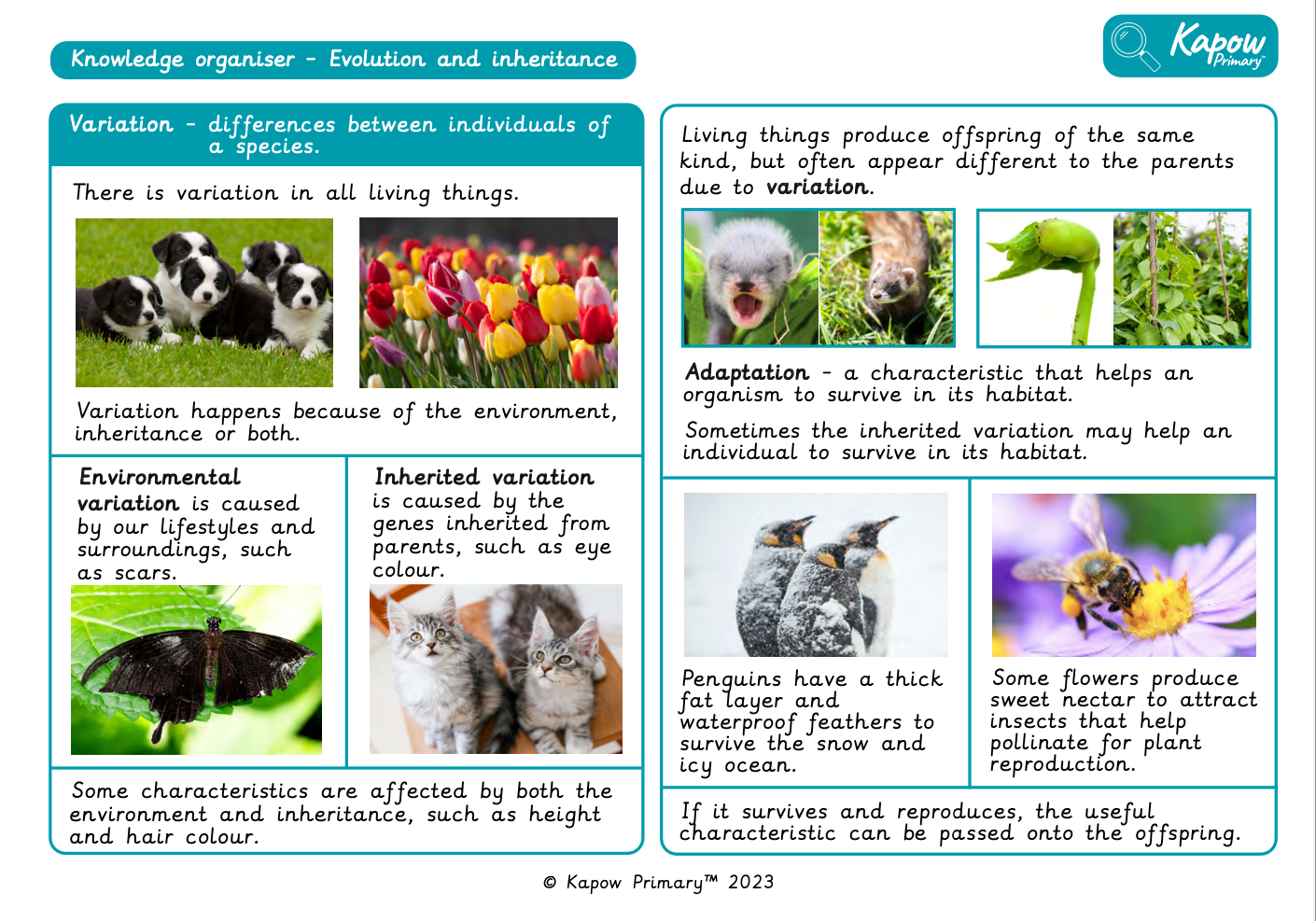
Knowledge organiser – Science Y5/6 (A): Energy: Light and reflection
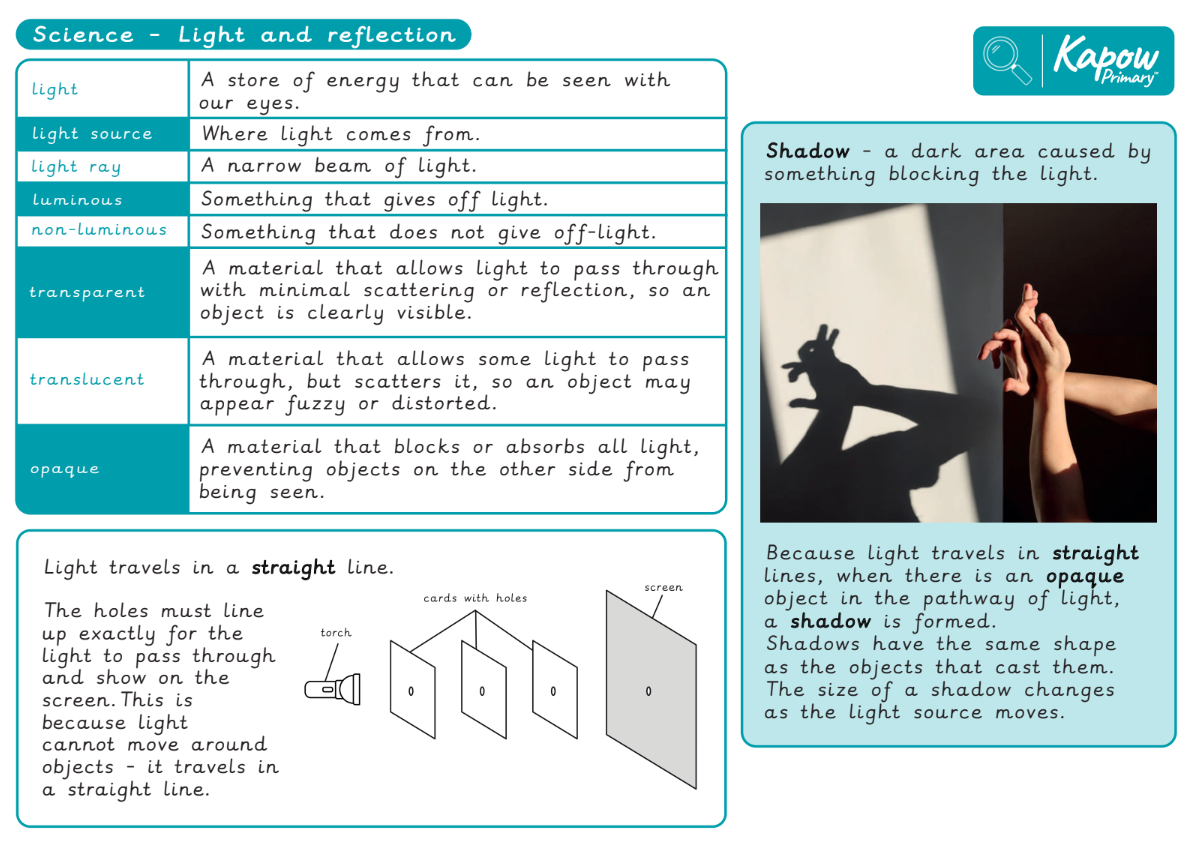
Knowledge organiser – R&W KS2: Why and how is Easter celebrated?
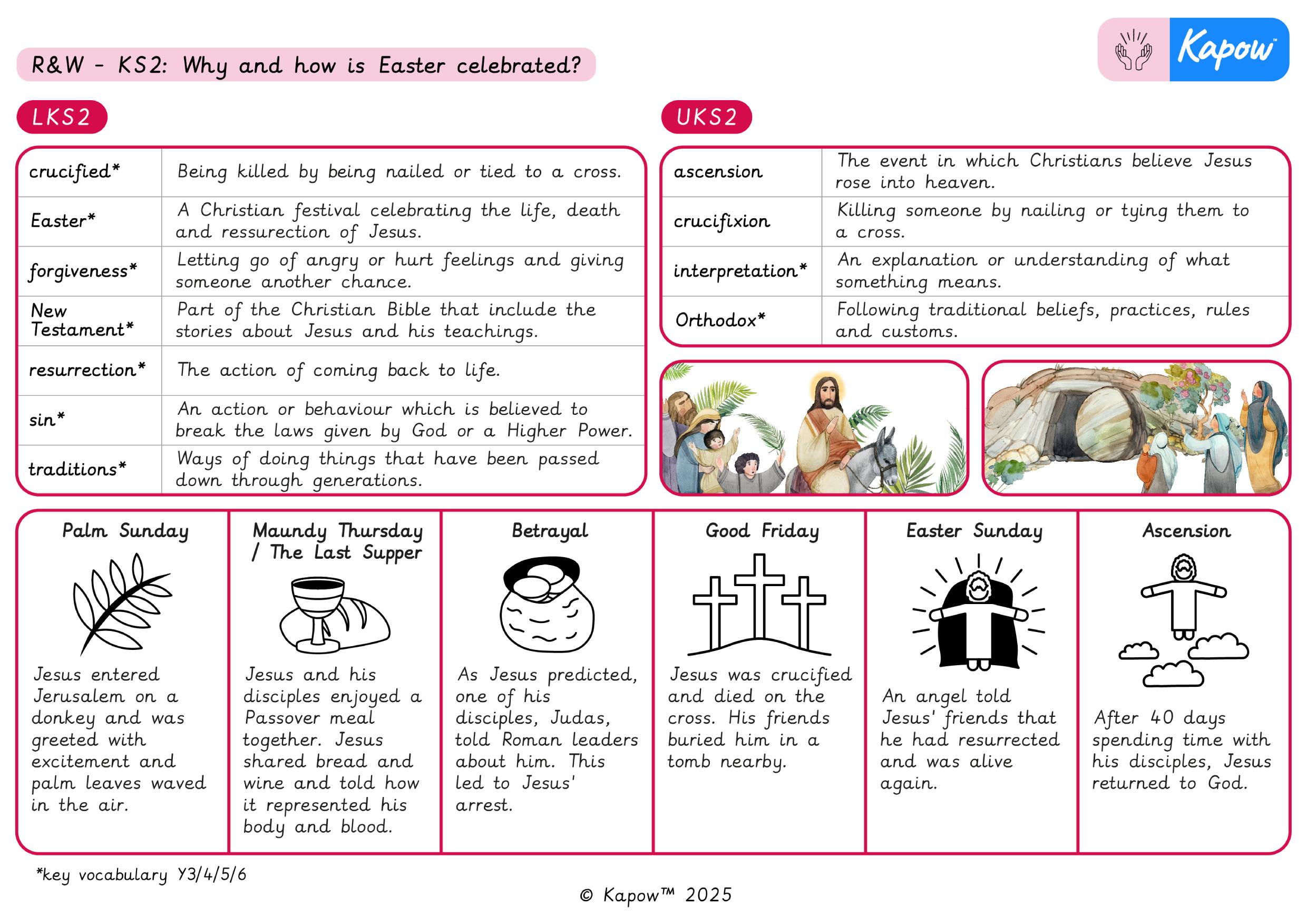
A Knowledge organiser that captures the essential knowledge and skills learnt throughout the whole school Easter collection Religion and worldviews, Why and how is Easter celebrated?.
This resource is designed to support KS2 children as they explore different aspects of Easter, including what Easter can teach about forgiveness, how Easter is celebrated around the world and why these celebrations are important for community and belonging.
Knowledge organiser – R&W KS1: Why and how is Easter celebrated?
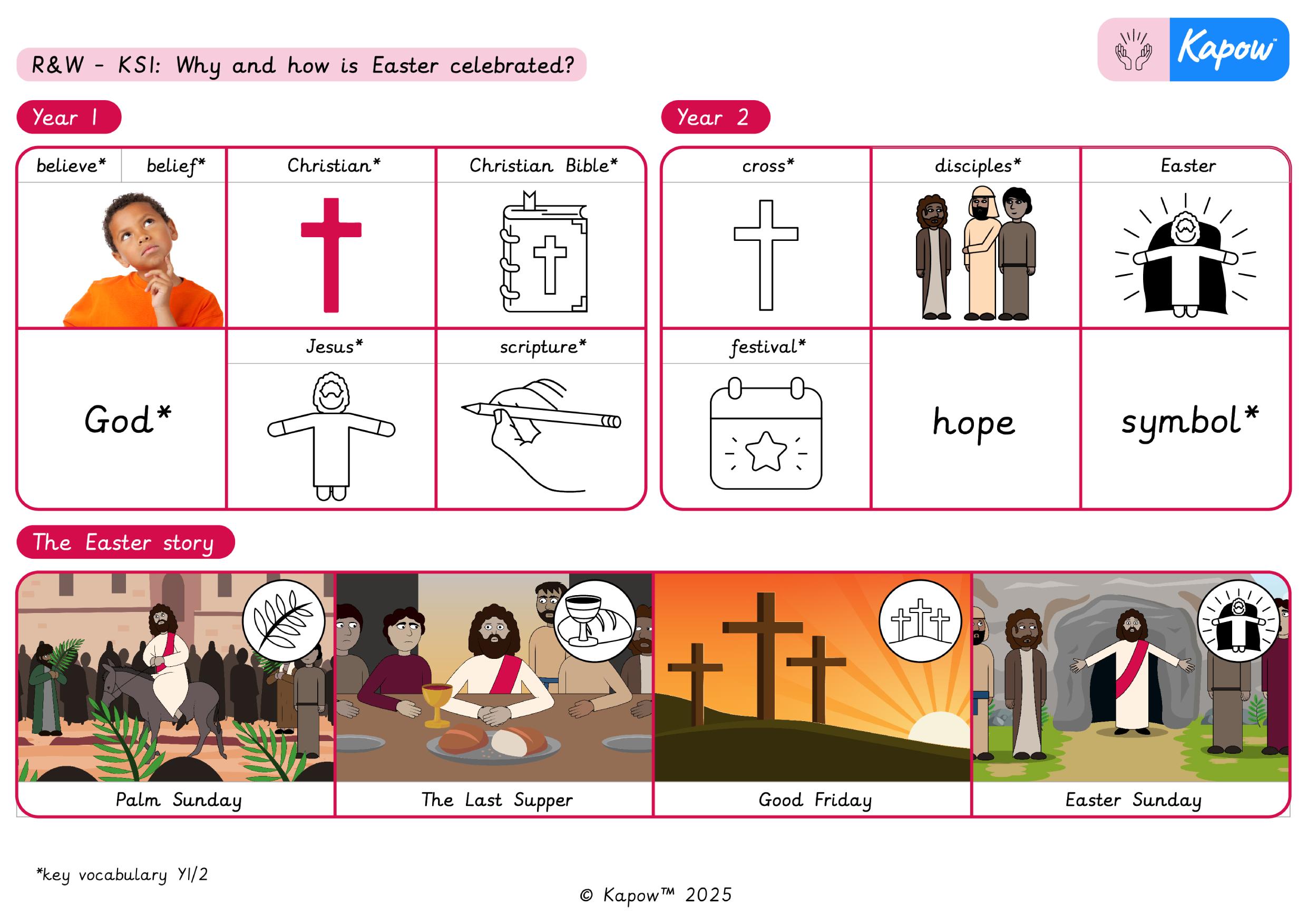
A Knowledge organiser that captures the essential knowledge and skills learnt throughout the whole school Easter collection Religion and worldviews, Why and how is Easter celebrated?.
This resource is designed to support KS1 children as they explore different aspects of Easter, including the events celebrated by many Christians at Easter, the symbolism of some Easter traditions and why Easter brings hope to some people.
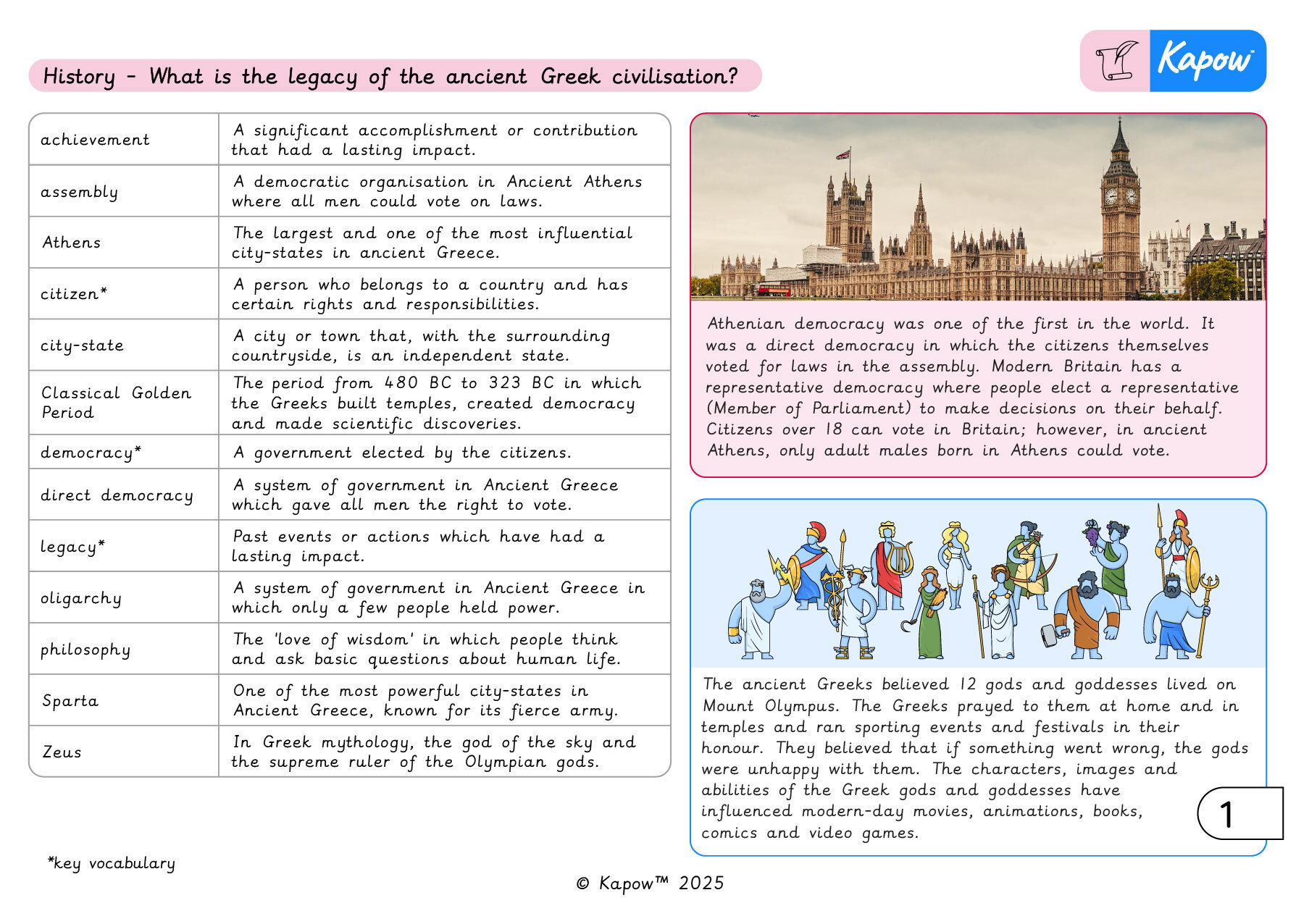
Knowledge organiser – History Y5: What is the legacy of the ancient Greek civilisation?
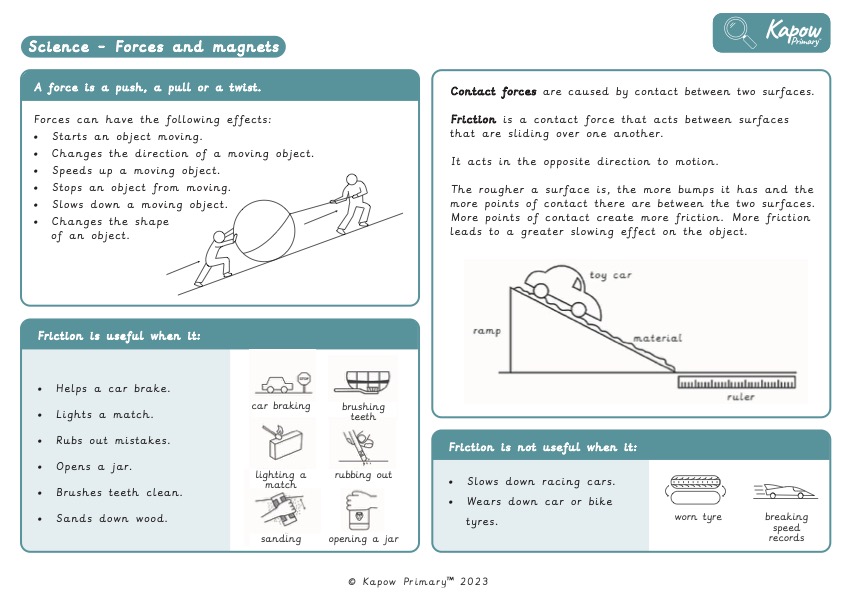
Knowledge organiser – Science Y3/4 (B): Forces and space: Forces and magnets
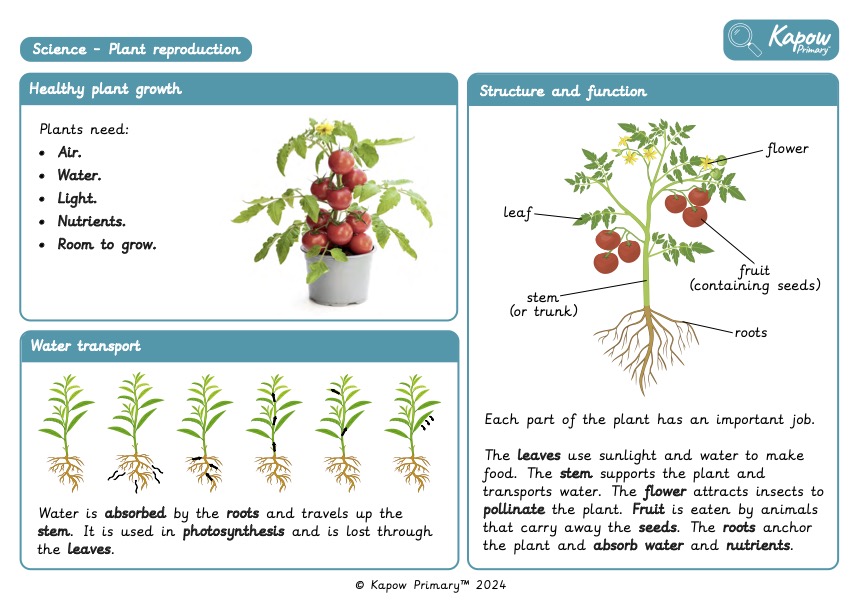
Knowledge organiser – Science Y3/4 (B): Plants: Plant reproduction
Knowledge organiser – History Y3/4 (B): How did the achievements of the ancient Maya impact their society and beyond?
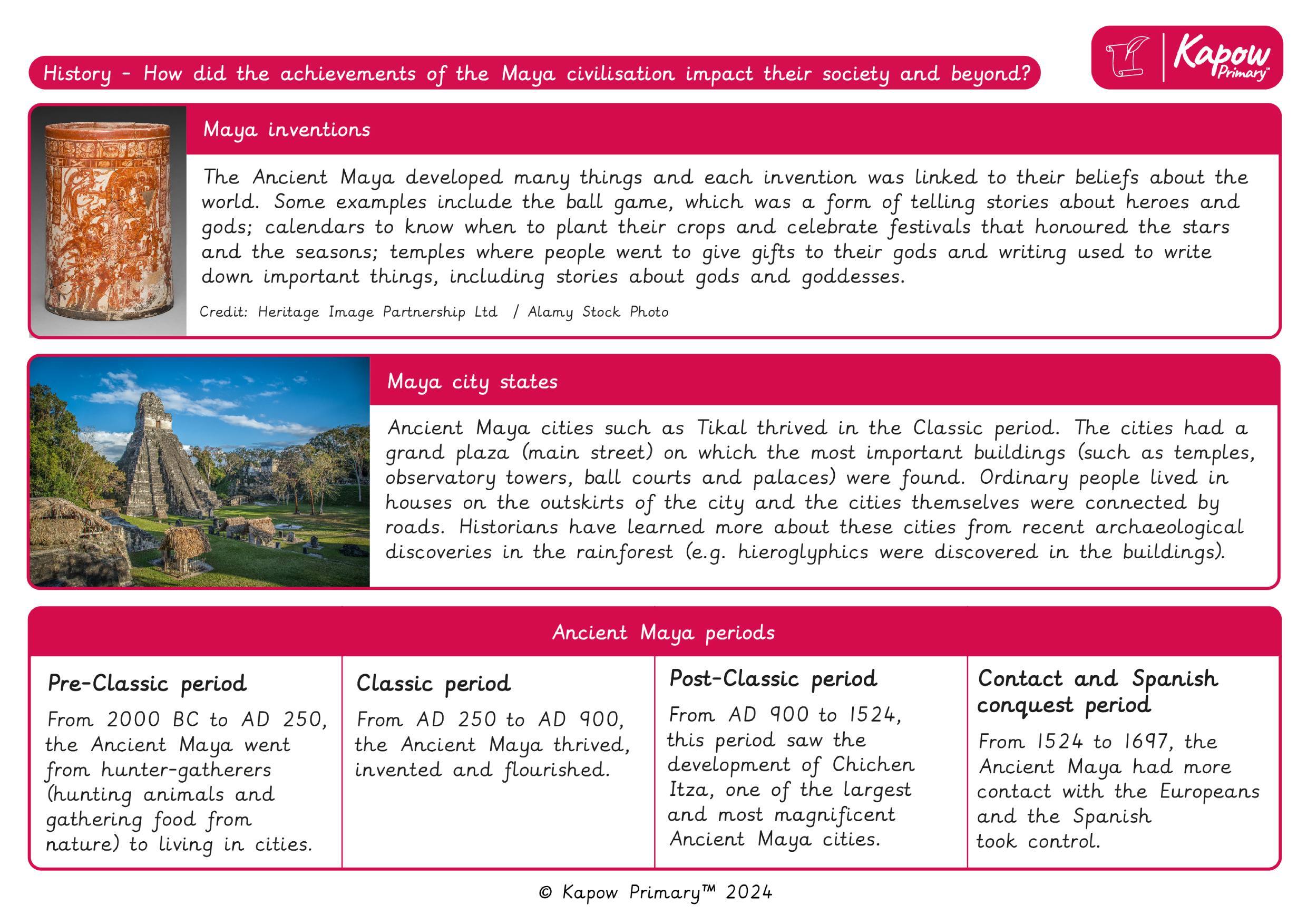
A Knowledge organiser that captures the essential knowledge and skills learnt throughout the unit History, Y3/4 (B), How did the achievements of the Maya civilisation impact their society and beyond?
This History resource is designed to support children as they explore the achievements and influence of the ancient Maya. It highlights key aspects such as their city-states, writing system, calendar, religious rituals and inventions. It also examines how the Maya adapted to life in the rainforest and how their civilisation changed over time. It is useful for consolidating essential knowledge and fostering an understanding of how the Maya shaped their society and beyond.
Knowledge organiser – History Y3/4 (A): How hard was it to invade and settle in Britain?
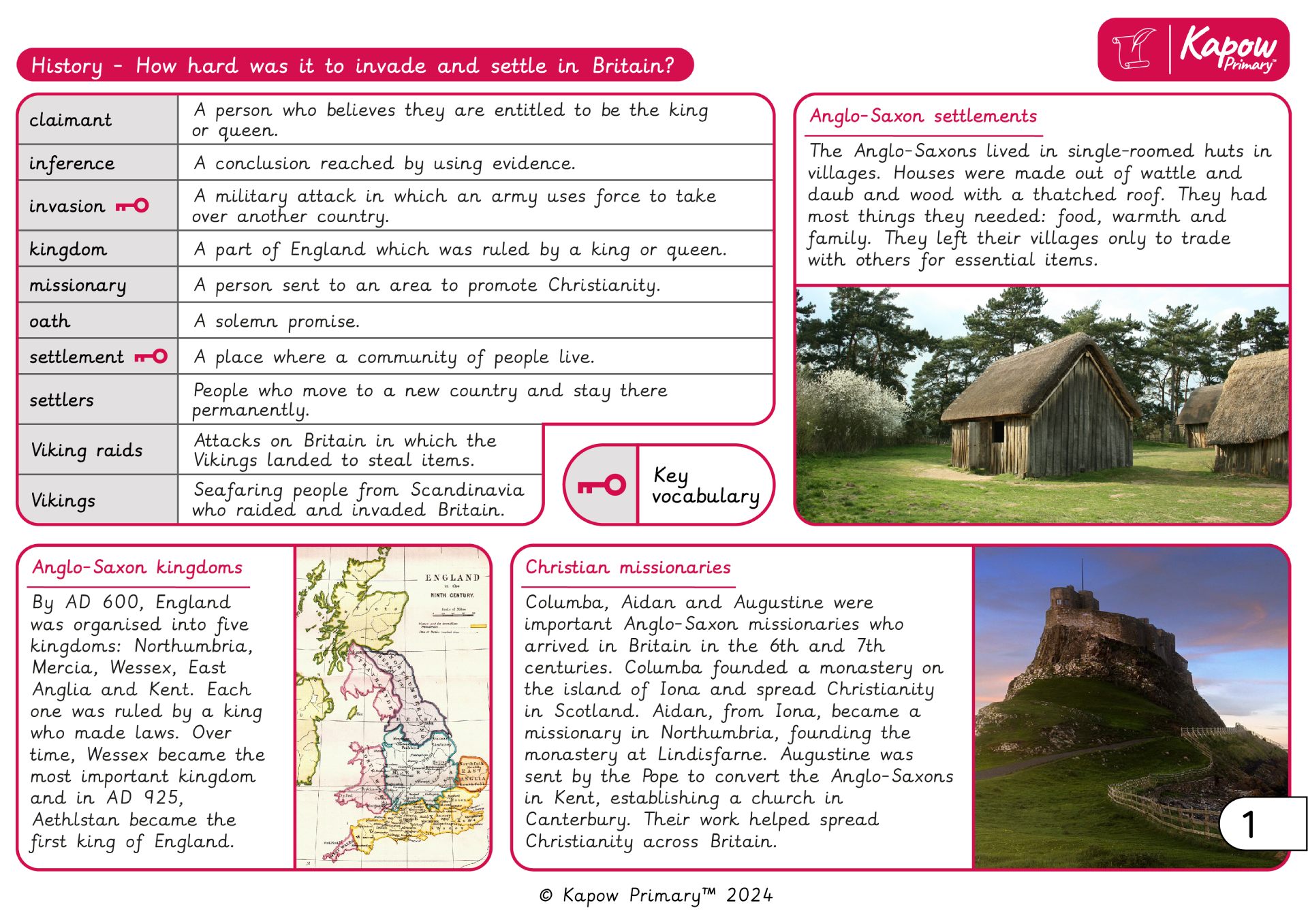
A Knowledge organiser that captures the essential knowledge and skills learnt throughout the unit History, Y3/4 (A), How hard was it to invade and settle in Britain?
This History resource is designed to support children as they explore the challenges faced by different groups invading and settling in Britain. It highlights key events and figures, including the Anglo-Saxon and Viking invasions, the establishment of kingdoms and the role of Christian missionaries. It is perfect for consolidating essential knowledge and fostering an understanding of how Britain’s history was shaped by migration and conflict.
