Lesson 2: Clothes and colours in French
Revising position of colour adjectives and adjectival agreement through games to reinforce memory of clothes and colour vocabulary.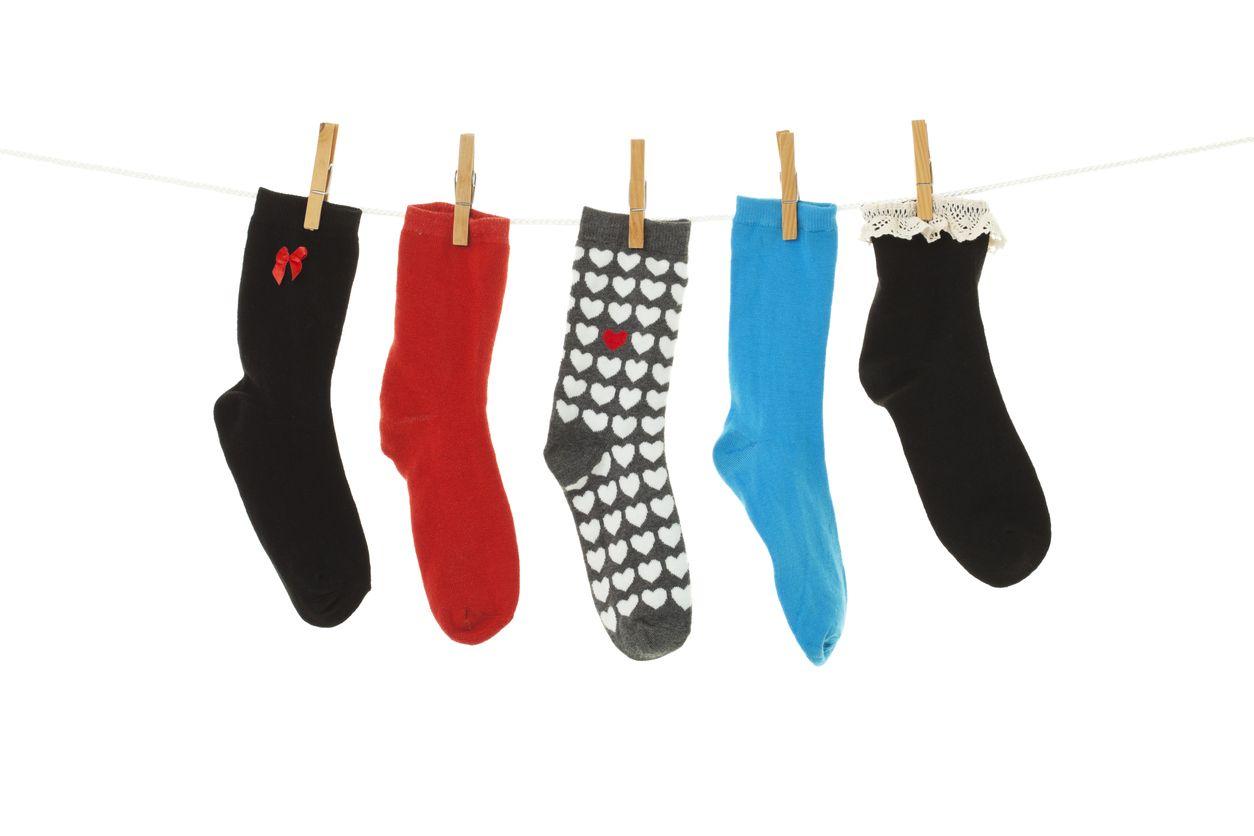
New statutory RSHE guidance is here. We’re creating our brand new RSE & PSHE scheme ready for September 2026. Learn more
Learning objective
This content is for subscribers only. Join for access today.
Success criteria
This content is for subscribers only. Join for access today.
Before the lesson
This content is for subscribers only. Join for access today.
Lesson plan
Display the Presentation: Definite and indefinite articles.
Slide 1 asks some questions about when to use un and une, le and la and les and des. Slides 2 - 7 test the children's knowledge.
Slide 7 is more tricky as the children may need to be prompted that les chaussettes - socks is a plural word.
Work through the slides as a class - the slides take each word in turn:
une/la chemise - a/the shirt
un/le short - a pair of shorts/ the shorts (discuss how in English we say shorts or a pair of shorts, but that in French the word is singular).
un/le pantalon - a pair of trousers/ the trouser (discuss how in English we say trousers or a pair of trousers, but that in French the word is singular).
une/la veste - a/the jacket
des/les chaussettes -some/the socks
The children need to understand that:
- The indefinite article in English is a or an and this is either un or une in French, depending on whether the noun is masculine or feminine.
- The definite article in English is the (used if the intention is to be more specific) and is either le or la in French, depending on whether the noun is masculine or feminine.
- In French, if the noun is plural, then (regardless of gender) les is used if the intention is to be specific and use the direct article. If the intention is not to be specific, an article must still be used and so des is used, whether the noun is masculine or feminine. Des translates roughly to some.
This content is for subscribers only. Join for access today.

Previously a generalist Primary teacher for 12 years, Simone now specialises in Languages. She is MFL Consultant and Languages Teacher at Robin Hood Primary. Her work with Mandarin Chinese resulted in the IoE Confucius Institute for Schools awarding her school with Confucius Classroom status. Simone is also a Confucius Classroom Manager. She teaches Mandarin across the key stages, with reciprocal visits to a link school in Beijing.
Simone has created a range of French lessons from KS1 to KS2 for Kapow Primary.
Find out more